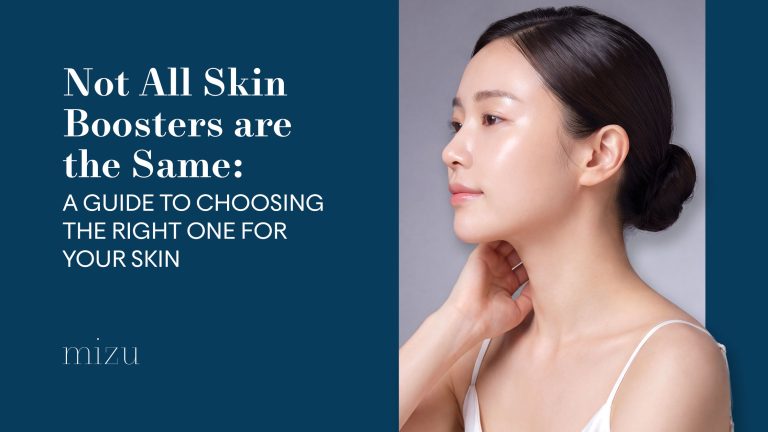
As time passes, it’s natural for your skin to change. You may begin to notice areas that feel less firm or appear looser, especially around the jawline, neck, or eyes. These changes are common and often linked to reduced collagen and elastin in the skin. Fortunately, 2025 offers a range of non-invasive treatments that support your skin’s structure—without requiring surgery or extensive downtime.
Many people today are opting for non-surgical options not only because of convenience but also due to improvements in technology that make these procedures more accessible and adaptable to a broader range of skin types and concerns. These options allow for gradual, controlled changes that align with a preference for natural-looking outcomes.
If you’re considering your options, it helps to understand what’s available and how each skin tightening treatment works. This guide will walk you through the causes of skin laxity and what to know about today’s most widely used non-invasive skin tightening treatments.
Skin laxity can develop gradually and is influenced by multiple factors. Common causes include:
Understanding the reasons behind skin laxity can help you select a treatment approach that matches your skin’s condition and your personal goals.
Radiofrequency (RF) treatments like Thermage use energy to heat the deeper layers of the skin, which may help support collagen activity and improve skin firmness over time.
What to consider:
RF skin tightening may be a suitable option if you’re looking for progressive improvement in tone and texture with minimal downtime, especially in areas affected by mild to moderate laxity.
Utilising ultrasound energy to enhance skin laxity has been a fundamental approach in non-invasive skin tightening alternatives.
High-Intensity Focused Ultrasound (HIFU), such as the Ultraformer MPT HIFU and Ultherapy, delivers ultrasound energy precisely to different layers of the skin for comprehensive skin lifting and tightening. This process is designed to activate the body’s natural collagen response using high heat, particularly in deeper skin layers. HIFU is a suitable option for reducing unwanted facial fat and producing a more defined jawline.
Another option is Sofwave, which uses a patented ultrasound technology that focuses energy only in the mid-dermis. This treatment is ideal for individuals who require more skin tightening than lifting or fat reduction, as the ultrasound energy does not reach the deeper layers of the skin.
When it may be appropriate:
Ultrasound-based skin tightening can be considered if you’re experiencing mild to moderate laxity or prefer a non-invasive option with a natural-looking outcome.
Laser skin tightening uses controlled light energy to warm specific layers of the skin. This process may contribute to collagen activity and improved firmness.
One such option is the Titanium Lifting, a treatment that targets various skin depths using a triple-wavelength laser technology for facial rejuvenation. The procedure can bring about skin brightening, tightening and facial sculpting effects. Unlike RF or ultrasound skin tightening, this treatment option produces faster results, although multiple sessions are often recommended for optimal outcomes.
What to expect:
If you’re exploring treatment options for skin tightening, it’s important to have a consultation to determine which method fits your skin profile and expectations. Schedule a consultation with Mizu to learn more.
The field of skin tightening continues to evolve, with new procedures being introduced to address various skin concerns.
Some options include:
Hybrid technologies often work by combining complementary forms of energy—such as delivering ultrasound to reach deeper layers while applying radiofrequency to more superficial ones. This multi-layered approach may offer enhanced results, as different depths of the skin are targeted simultaneously.
When exploring newer methods, it’s advisable to choose treatments that have demonstrated consistency in both outcomes and comfort. A thorough consultation can help ensure that any emerging treatment aligns with your needs.
Many people consider non-invasive treatments as an alternative to surgery, especially when looking for moderate improvements with less downtime.
Some reasons to consider non-surgical options:
That said, surgical procedures may still be appropriate for more advanced skin laxity. Discussing your goals with a qualified professional can help determine which path is right for you.
Choosing the right provider for skin tightening treatments is just as important as selecting the treatment itself. Look for providers who offer a clear and detailed consultation process. Ensure your treatment options are based on your unique skin condition, goals, and preferences.
The information provided in this blog post is for educational and informational purposes only and should not be considered medical advice. Always consult with a healthcare professional or dermatologist before starting any new skincare routine or treatment, especially if you have existing skin conditions or concerns. Results may vary from person to person, and individual needs may require different approaches.
Dr Tan Ying Zhou, known as Dr YZ Tan, is the founder and Medical Director of Mizu Aesthetic Clinic.
His journey into aesthetics began with a medical degree from St. George’s, University of London, followed by an internship in Dermatology at the National Taiwan University Hospital.
Some of his favourite aesthetic procedures include nose augmentation and anti-ageing solutions, and he also serves as a trainer for emerging aesthetic doctors.
His philosophy revolves around personalised treatments tailored to each individual’s ageing concerns, aiming to transform the ageing process gracefully into a pleasant journey towards confidence and wellness.