HIFU: Am I Suitable, and Which Type of Hifu Should I Choose?

Home > Face Concerns > HIFU: Am I Suitable, and Which Type of Hifu Should I Choose?
HIFU: Am I Suitable and Which Type of HIFU Should I Choose | Mizu

What is HIFU and why all the craze?

A HIFU stands for High-Intensity Focused Ultrasound. It has been steadily growing in popularity over the years due to the increased demand for non-invasive alternatives to skin lifting and tightening. The HIFU also helps with reducing the appearance of excess fats in areas such as the jowls, double chin and cheeks.

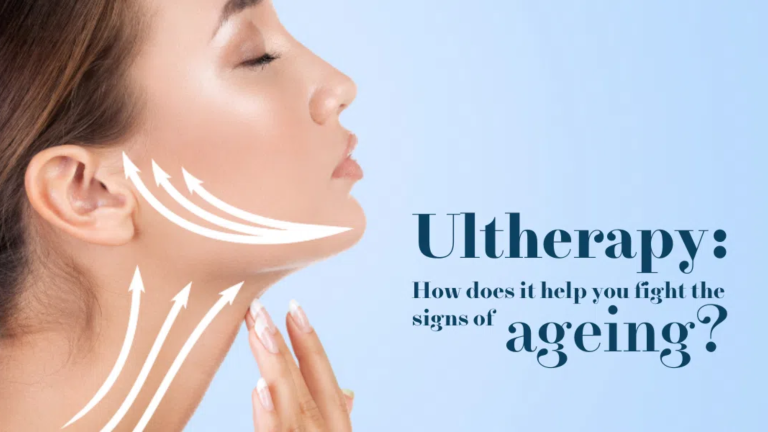
HIFU utilises ultrasound energy to tighten the skin and reduce unwanted facial fats in certain areas. Ultrasound is an energy modality that focuses and penetrates deep into the skin layers, causing thermal (heat) coagulation.

The ultrasound used in HIFU procedures is similar to ultrasound scans in medical clinics or hospitals. However, instead of scanning a broad area, ultrasound energy in HIFU treatments focuses and converges onto a small focal point in the skin.

This results in increased temperatures on the focal point, creating tissue coagulation to stimulate collagen production and targeted fat reduction. There is no damage to the surrounding skin or tissue except only at the focal point.

As a result, HIFU treatments can target deep skin layers to cause tightening and lift the face without needles or surgery. Here’s an important point to note. The best results are seen at 12 weeks post-treatment as collagen production and skin tightening take time.

Which areas can a HIFU treatment target?

  • Full face lift (overall tightening)
  • V-shape face lift
  • Double chin reduction
  • Jowl reduction (tightens and reduces saggy jowls)
  • Brow lift
  • Neck lift

Who is most suitable for a HIFU treatment?

Suitable candidates are carefully assessed according to their face shapes and conditions. In general, a HIFU treatment is more suitable for those with a heavier lower face, prominent jowls, or excess facial fats. Both the Ultherapy and Ultraformer MPT are known HIFU treatments.

Other skin tightening treatments like Sofwave or Thermage, on the other hand, are more suitable for patients with more skin laxity, fine facial lines, and a thinner face.

Read what our doctor has to say when it comes to choosing a HIFU or Thermage.

Thermage vs HIFU - Aging Type Sinker | Mizu
Thermage vs HIFU - Aging Type Sagger | Mizu

What are the differences between the types of HIFUs?

Many patients often ask why the HIFU at Mizu costs more than HIFU treatments available at other establishments. The reason for this is that there are different types of HIFU machines, which also mean different efficacies and results.

In Singapore, ultrasound procedures for lifting may be categorised into two types. HIFUs done by doctors (focused ultrasound), and HIFUs performed by therapists (fractionated ultrasound). 

Below is the difference between the Ultraformer vs a micro-fractionated ultrasound:

Ultraformer HIFU

Microfractionated Ultrasound

Only 1 treatment every 12-18 months.

4-6 treatments needed.

Only performed by qualified doctors.

Performed by therapists.

Achieves a temperature of up to 72 degrees under the skin due to focused energy.

Achieves a temperature range of 38-50 degrees under the skin due to smaller heat concentration.

Penetrates deeper, up to 4.5mm under the skin to effectively target the SMAS layer which is responsible for a non-surgical face lift.

Does not penetrate as deep as focused ultrasound HIFUs

Can be used to reduce excess fats.

Cannot reduce excess fats.

Cost for a full face hifu: about $2000-$2500.

Cost of each session: about $300-$600, depending on device.

So how do you know which HIFU treatment you are receiving?

There are some HIFU brands that can be found in clinics. The most common machines are the Ultraformer and the Ultherapy.

There are two reasons why medical-grade machines deliver more significant results: The peak power, and stability of the machines, which results in a higher energy output. This will, therefore, improve efficacy per treatment, and produce better results with just one treatment.

Ultraformer MPT Ultherapy - Machine | Mizu

How should a HIFU procedure be, and why is it important to choose the right HIFU?

1. Done by Doctor vs Therapist

Proper HIFU machines are registered medical devices in Singapore and are only done by licensed doctors.

2. Number of Treatments

A proper HIFU face lift procedure is repeated once every 12-18 months. As for fat-melting procedures such as for jowls or double chin reduction, 1-2 sessions might be needed.

A micro-fractionated HIFU or an unbranded HIFU may not emit the same amount of heat or energy as a proper type of HIFU and may require more sessions to achieve visible results.

3. Pain management

A good HIFU procedure should also NOT be ‘painless’. A HIFU treatment utilises a high amount of heat to partially damage collagen structure, allowing them to repair over time to become tighter and firmer.

This heat also reaches up to 72 degrees under the skin to damage fat cells and can be used to reduce double chins and chubby jowls.

Because of the high level of heat delivered, a HIFU procedure will be slightly uncomfortable as the procedure progresses with the heat accumulating under the skin. For those who are concerned about the discomfort, our doctors usually perform a nerve block (local anaesthesia) to reduce sensation.

This greatly reduces any possible pain and allows our doctors to perform the HIFU at the ideal power setting for optimum results.

A fractionated ultrasound procedure is ‘painless’, as less heat is generated and the energy is spread out. This results in less significant results as compared to a normal HIFU. You may also require many more treatments than a normal HIFU would. 

Frequently Asked Questions

How many sessions do I need?

Only one session is required with a medical-grade HIFU machine. For double chin reduction, 1-2 treatments may be needed.

  • A facelift, especially for the lower face
  • Tighter skin
  • Reduction in jowls and laugh lines
  • Eyebrow lifting

A medical-grade HIFU treatment will cause some discomfort due to the high energy and heat generated. This is necessary for good results. Numbing cream is always applied before the procedure. At Mizu, our doctors also administer nerve blocks to reduce sensation on the face for those who have a lower pain threshold.

A proper HIFU procedure can reduce fats on the face / body when done properly with the right handpieces.

Ultraformer 3 HIFU | Mizu

Excess facial fats such as jowls, double chin, and chubby cheeks can be reduced with a medical-grade HIFU.

We believe that facial rejuvenation and anti-ageing procedures need to be individualised. A HIFU treatment is no exception and we pay detailed attention to everyone’s unique needs.

Dr YZ Tan had the honour of being invited by Ultraformer’s manufacturer, Classys, to Seoul for a one-to-one discussion and training with Korean aesthetic doctor Dr Cho Chang-Hwan of La Clinique De Dongan Center. This allowed Dr Tan to move away from standard protocols and develop his own techniques for individualised HIFU procedures with his team.

Mizu was also invited to Seoul for the International Microaesthetic Surgery Anatomy Masterclass (IMSA) hands-on practicals. This helped our doctors recognise the specific anatomy of the facial SMAS layer. This was crucial in helping us formulate our own technique of facial tightening and lifting with the HIFU.

Want to find out more?
Drop us a message with your enquiries or to book a consultation.
Dr Tan Ying Zhou | Mizu Doctor
Wave Logo | Mizu

Disclaimer

The information provided in this blog post is for educational and informational purposes only and should not be considered medical advice. Always consult with a healthcare professional or dermatologist before starting any new skincare routine or treatment, especially if you have existing skin conditions or concerns. Results may vary from person to person, and individual needs may require different approaches.

Dr Tan Ying Zhou, known as Dr YZ Tan, is the founder and Medical Director of Mizu Aesthetic Clinic.

His journey into aesthetics began with a medical degree from St. George’s, University of London, followed by an internship in Dermatology at the National Taiwan University Hospital.

Some of his favourite aesthetic procedures include nose augmentation and anti-ageing solutions, and he also serves as a trainer for emerging aesthetic doctors.

His philosophy revolves around personalised treatments tailored to each individual’s ageing concerns, aiming to transform the ageing process gracefully into a pleasant journey towards confidence and wellness.

Book Your Consultation With Us